Table of Contents
No Table of content found.
Digital vs. Paper Invitations: What’s Trending in 2025?
Author By: Vamsi Pothula
You remember the smile when you used to open a beautifully stamped envelope with the texture of thick cardstock under your fingers. Yet you also know the thrill of a well-designed e-invite arriving in your inbox just when you need it.
In 2025, invitations carry more weight than information. They signal values, style, technology, and priorities. As event hosts or planners, you stand at the intersection of tradition and innovation. You decide whether to honor nostalgia with a tactile paper invite or embrace eco-friendly immediacy through digital platforms.
For B2B companies, this decision impacts how clients perceive your commitment to sustainability, technology adoption, and guest experience.
We live in a time of rising environmental consciousness, rapid digital tools, and greater demand for personalization. These forces shape the invitation world. Digital invites now offer interactive elements and QR codes that paper could scarcely dream of a decade ago. On the other hand, premium printed stationery still commands reverence and a tangible keepsake value.
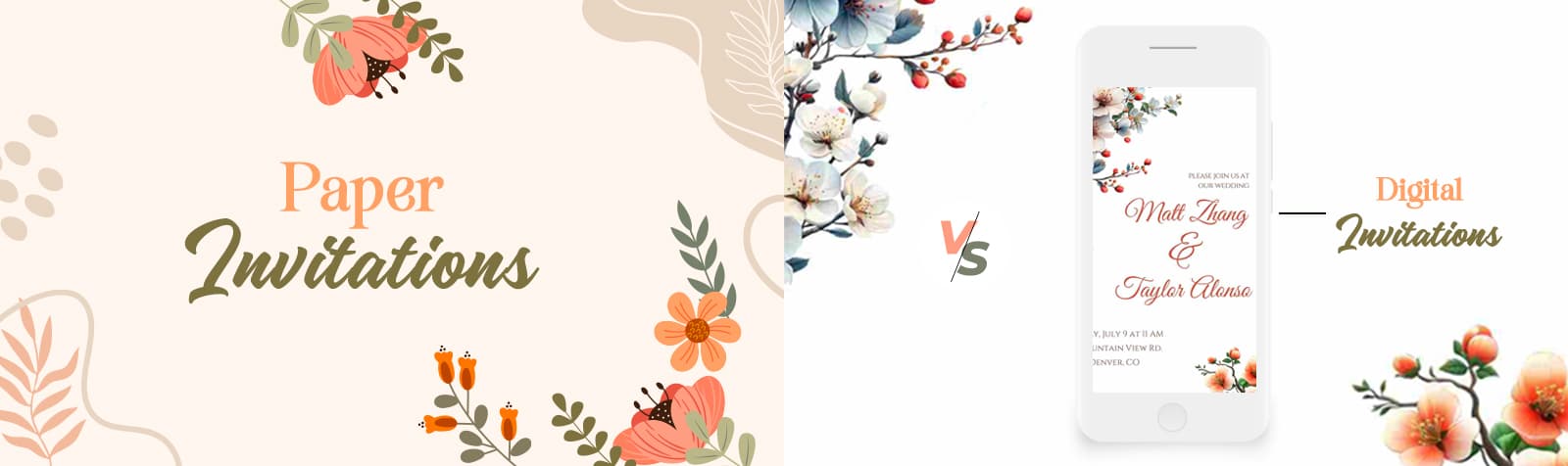
So what trends are dominating in 2025? What do guests respond to, and what do hosts prefer? A digital invitation vs. paper invitation debate has the answer to it. Whether it’s a wedding, corporate gala, birthday, or intimate gathering, understanding today’s preferences helps you create invitations that feel modern, meaningful, and memorable.
At A Glance
Planning an event in 2025 means choosing invitations that reflect both tradition and innovation. Take a look at this quick snapshot of what the current informative read will cover.
- The blog explores the evolution of invitations, from their historical roots in royal courts to their modern digital transformation.
- You will discover the benefits and drawbacks of both paper and digital invitations, helping you weigh prestige against practicality.
- The article highlights key differences in tangibility, cost, sustainability, and guest experience through a clear comparison.
- You will learn about the latest 2025 trends in invitations, including eco-conscious choices, personalization, and interactive digital features.
- The blog equips event hosts and planners with actionable insights to choose the best invitations.
Evolution Of Invitations
Invitation styles evolved dramatically over centuries, and 2025 is simply a reflection of all those evolutions. Printed invitation cards once stood as the golden standard. Royal families, nobility, and wealthy households commissioned artisans to create hand-calligraphed notices, engraved or letter-pressed. These used to come sealed with wax or ribbons.
Those paper pieces carried status, craftsmanship, and permanence. They told stories not only in words, but in texture, weight, and design.
Then the Industrial Revolution democratized printing. Lithography and improved presses made invitations more affordable and widely available. Hosts could select custom fonts, borders, and paper stocks while maintaining elegance. The tactile beauty of printed cards held a strong appeal for:
- Weddings and milestone celebrations
- Business galas and product launches
- Exclusive gatherings where prestige mattered
Digital technology later shifted the invitation landscape. Email, websites, and mobile apps allowed hosts to create customizable e-invites within minutes. You design layouts, embed RSVP links, and even track responses in real time. Interactive features push creativity far beyond traditional print. These paperless invites feature:
- Instant delivery and response tracking
- Lower costs compared to traditional print
- Options for animations, videos, and QR codes
- Eco-friendly alternatives that save paper
Still, the evolution is not a simple choice between old and new. Many event hosts and businesses often combine both methods. For example, you can send online invites to VIP guests who appreciate keepsakes. On the other hand, you may use online invites for broader audiences or international contacts. Hybrid strategies allow you to bridge tradition with efficiency.
Paper Invitations: Are They Still Relevant?
Paper invitations continue to hold an undeniable charm in 2025. When you hold a thick, embossed card, you experience something that digital formats cannot replicate. The weight, the texture, and the craftsmanship of fine stationery evoke emotions that remind guests of thoughtfulness and effort.
Paper invitations are used in weddings, milestone birthdays, exclusive events, and corporate functions that seek a premium touch. Event planners and businesses value the tangible presence of these cards, knowing they double as keepsakes for many guests. Handwritten notes, embossed logos, and foil-stamped lettering all communicate elegance and intention.
Moreover, traditional invitations symbolize respect and formality. They tell your audience that the event deserves attention and that their presence matters. Even in a technology-dominated age, paper invites reinforcement of authenticity and personal connection.
For hosts and businesses who want to impress, paper invitations remain relevant. The way they blend design, storytelling, and create emotional impact converts them into a lasting memory.
Don’t Let Your Invites Haunt You!
Uncover the best invite style for a spooktacular night!
Design NowAdvantages Of Paper Invitations
Paper invitations carry more than words. They deliver experiences that resonate with your guests. Unlike digital formats, they hold physical presence, emotional weight, and artistic expression.
These are the 5 distinct pros of paper invitations that explain why they should remain timeless.
1. Tangible Keepsakes for Guests
Paper invitations give recipients something they can hold, display, or store as a memento. Whether it’s a wedding, anniversary, or corporate gala, a beautifully crafted card transforms into a memorable keepsake. Guests often treasure them as reminders of meaningful events.
2. Enhanced Perception of Prestige
When you send paper invitations, you signal that the occasion deserves respect and recognition. Premium paper stocks, foil stamping, and calligraphy elevate the sense of formality. It makes them powerful in the debate of digital invitation vs. paper Invitations, where prestige favors the printed medium.
3. Stronger Emotional Connection
Guests experience a stronger emotional impact when they open an envelope and feel the texture of cardstock. The sensory details, including the smell of ink, the weight in hand, and the artistry in print, evoke anticipation. Apart from creating an appeal to the eye, they create a personal and emotional bond.
4. Opportunities for Creative Storytelling
Printed designs allow you to incorporate layers of creativity, from embossing to ribbon ties. You can design suites with matching RSVP cards, maps, or personalized notes. These creative possibilities make the debate of e-invites vs physical invites practical. It becomes a choice about storytelling and how you want your event remembered.
5. Timeless Value in Formal Settings
Paper invitations still dominate formal events where tradition and respect matter most. Luxury weddings, black-tie galas, and graduation parties often rely on paper to convey gravitas. Even as digital formats grow, the value of paper lies in its ability to merge authenticity, craft, and formality.
Disadvantages Of Paper Invitations
Paper invitations carry beauty and tradition, but they also come with drawbacks that you need to weigh carefully. While many people value the elegance of print, understanding its limitations helps you make informed choices for your events.
1. Higher Production and Mailing Costs
Paper invitations often require premium materials, professional printing, and postal fees. These expenses add up quickly, especially for large guest lists. Businesses and individuals may find the overall cost significantly higher compared to digital alternatives.
2. Limited Speed and Flexibility
Unlike digital formats, you cannot update paper invites once printed. If event details change, you must reprint and resend them. Such a lack of flexibility makes them challenging for fast-paced environments where schedules and plans shift frequently.
3. Environmental Impact
Producing paper consumes resources like wood pulp, water, and energy. Widespread mailing contributes to carbon emissions. While recycled options exist, physical invitations still leave a larger ecological footprint compared to digital solutions.
4. Slower Delivery and Response Time
Guests need time to receive paper invitations through postal services, which often delays RSVP responses. In an age where real-time updates are standard, relying solely on print may reduce efficiency in managing logistics.
5. Less Practical for Modern Audiences
Today’s guests often expect digital convenience, interactive features, and quick RSVP options. While formal invitations suit luxury or traditional settings, they can feel less practical for casual gatherings, corporate events, or audiences accustomed to mobile-first communication.
Digital Invitations: The Modern Way
In 2025, digital invitations have become the standard for hosts, planners, and businesses who value speed, efficiency, and impact. You no longer need to worry about printing delays or mailing schedules. Instead, you design professional invitations online and deliver them instantly to your guest list. The modern approach saves time, reduces costs, and ensures every recipient gets the information without delays.
Paper invitations still hold emotional appeal with their texture, weight, and artistry. They remain popular for heritage weddings or exclusive galas where formality matters most. However, when you evaluate the differences between online invitations and traditional invitations, digital tools offer unmatched flexibility.
You edit details at any time, track RSVPs in real time, and even embed multimedia elements that bring the invitation to life.
For audiences who expect convenience and personalization, digital invitations stand out as the smarter, more sustainable option. They align with eco-conscious values, deliver measurable results, and help you create experiences that feel modern and memorable.
Advantages Of Digital Invitations
Digital invitations have transformed the way people plan and share events. While paper cards carry tradition, digital formats unlock convenience, creativity, and sustainability that resonate with modern hosts and guests.
Discover the advantages of digital invitations that make them a preferred choice in 2025.
1. Instant Delivery and Wider Reach
Digital invitations allow you to send event details within seconds, no matter where your guests live. You eliminate postal delays and expand your reach globally. It makes them ideal for luxury wedding invitations with international guests, birthdays, and last-minute gatherings where speed is crucial.
2. Easy Customization and Creative Options
You can design e-invites with interactive templates, personalized animations, or even short videos. Unlike static print, digital platforms give you the flexibility to edit text, change designs, or add multimedia elements. This level of customization ensures your invitation feels aligned with your event theme and audience expectations.
3. Cost-Effective for Any Scale
Digital invitations eliminate printing, postage, and material costs. Whether you invite 10 people or a thousand, the expense stays manageable. Event planners and businesses can save budget while still presenting polished, professional invites that capture attention.
4. Real-Time RSVP Tracking and Guest Management
Unlike paper invites, digital platforms allow you to track responses instantly. Guests click to confirm attendance, update dietary preferences, or even select seating options. The real-time management helps hosts streamline planning and reduce the stress of uncertain headcounts.
5. Sustainable and Eco-Friendly Choice
Online invitations eliminate paper waste, ink use, and shipping emissions. For eco-conscious brands and individuals, this demonstrates responsibility while still delivering impact. Choosing digital solutions allows you to align event planning with environmental values, which today’s audiences often notice and appreciate.
Disadvantages Of Digital Invitations
Digital invitations offer speed and creativity. However, they also come with limitations that you should not overlook. While paper invites provide tangible charm, digital formats sometimes fall short in areas where tradition and reliability matter most.
1. Lack of Tangibility and Keepsake Value
Unlike paper invites, digital versions do not offer guests something physical to hold or treasure. Many people enjoy displaying invitations on mantels or saving them as mementos. Without that tactile presence, digital invites can feel less personal and less memorable.
2. Technology Dependence
Guests must have internet access, functioning devices, and compatible platforms to view digital invitations properly. Technical issues, such as spam filters or slow connections, can prevent important event details from reaching recipients on time. Such dependency creates a barrier that printed invites never face.
3. Perception of Reduced Formality
Even the most creative digital design may not carry the same weight as a thick, embossed card. For weddings, black-tie galas, or milestone events, digital formats sometimes feel casual. Unlike paper, which signals prestige, digital invites may not fully convey formality.
4. Overwhelmed Guests and Digital Clutter
Inboxes today overflow with marketing emails, notifications, and reminders. When you send customized instant invitations, there is a risk that they get lost in digital noise. Guests may overlook or forget them if they don’t stand out, leading to missed RSVPs and confusion.
5. Limited Sentimental Value in Traditional Settings
For events rooted in cultural heritage or formality, online invitation cards cannot replicate the artistry, texture, and emotional connection of paper. Families planning heritage weddings or businesses hosting prestige events often prefer the respect and gravitas of the printed cards.
Key Differences Showcased
|
Features |
Paper Invitations |
Digital Invitations |
|
Tangibility |
Physical keepsake |
Digital only |
|
Prestige & Formality |
High prestige |
More casual |
|
Customization |
Artistic print options |
Multimedia flexibility |
|
Delivery & Speed |
Slower, postal delivery |
Instant, global reach |
|
Cost |
Higher expenses |
Budget-friendly |
|
Eco-Impact |
Resource-heavy |
Eco-conscious |
|
Audience Perception |
Elegant and thoughtful |
Practical and modern |
|
Management & Tracking |
Manual RSVPs |
Real-time RSVP tracking |
What is Trending in 2025?
Event invitations in 2025 reflect changing lifestyles, values, and technologies. It’s true that paper invitations still offer elegance and sentimental value. But momentum clearly leans toward digital formats that deliver convenience, creativity, and sustainability.
Today’s hosts, planners, and businesses recognize that guests expect quick communication and seamless interaction. Digital platforms now provide tools for customizable layouts, instant RSVP tracking, and even immersive features like:
- Animated designs or
- Augmented reality elements.
These options make digital invitations an engaging part of the guest experience.
Nevertheless, paper invites maintain relevance in luxury weddings, heritage celebrations, and high-profile galas where formality matters. Their tactile quality and artistic detail give them staying power as keepsakes. Yet when you examine the differences between online invitations and traditional invitations, digital tools often win. When it comes to affordability and eco-friendliness, online cards are dominating the industry.
As environmental awareness and digital adoption rise, online invitations are taking the lead. Businesses use them for corporate events, and nonprofits rely on them for fundraisers. On the other hand, individuals can choose them for adult birthday invites or to celebrate any milestones.
In 2025, the trend is clear. Digital invitations define the present and future, while paper invites preserve a slice of timeless tradition.
How to Choose the Right Digital Invitation in 2025?
Selecting the perfect digital invitation today requires a balance of creativity, functionality, and audience engagement. With countless platforms and formats available, your choice should reflect the tone of your event, the preferences of your guests, and your long-term goals.
Below, we have presented 4 points to guide you:
1. Match the Invitation to Event Style
Choose sleek, interactive designs for corporate events, and opt for vibrant, playful templates for birthdays or community gatherings. The right design instantly sets expectations for the experience.
2. Leverage RSVP Tracking and Management
Digital invitations with RSVP tracking online invitations simplify guest coordination. They let you manage confirmations, send reminders, and even update details without additional effort.
3. Embrace Virtual-Friendly Features
Are you hosting hybrid or virtual celebrations? Virtual party invites with video links, QR codes, or streaming options can make the process seamless for your audience. At the same time, they enhance convenience as well.
4. Balance Personalization with Practicality
When evaluating online invitations vs traditional invitations, digital formats allow for quick customization, real-time edits, and eco-friendly delivery. Personal touches like animations or embedded music ensure your invite feels memorable and unique.
Find Your Perfect Digital Invitation With EverInvite!
The debate of digital invitation vs. paper invitations ends here!
In 2025, invitations are no longer simple announcements. They are experiences that reflect your values, creativity, and attention to detail. Paper invitations still hold a nostalgic charm for elegant events.
However, the convenience, sustainability, and personalization of digital formats are shaping the future. Guests today expect speed, interactive features, and eco-friendly practices. It makes digital invitations the smarter choice for most occasions.
With EverInvite, you gain access to customizable templates, real-time RSVP tracking, and designs that suit any kind of event. Create invitations that don’t just inform but impress.
Sign in with EverInvite and start designing your personalized invite today. Turn every event into a memorable experience.